Bookmark this: If you’re figuring out how to get back into reading, shrink the job: ten pages a day for two weeks, a short or familiar book, and your phone in another room. Quit books that drag, count audiobooks, and use library holds as gentle deadlines. Missing a day doesn’t reset anything.
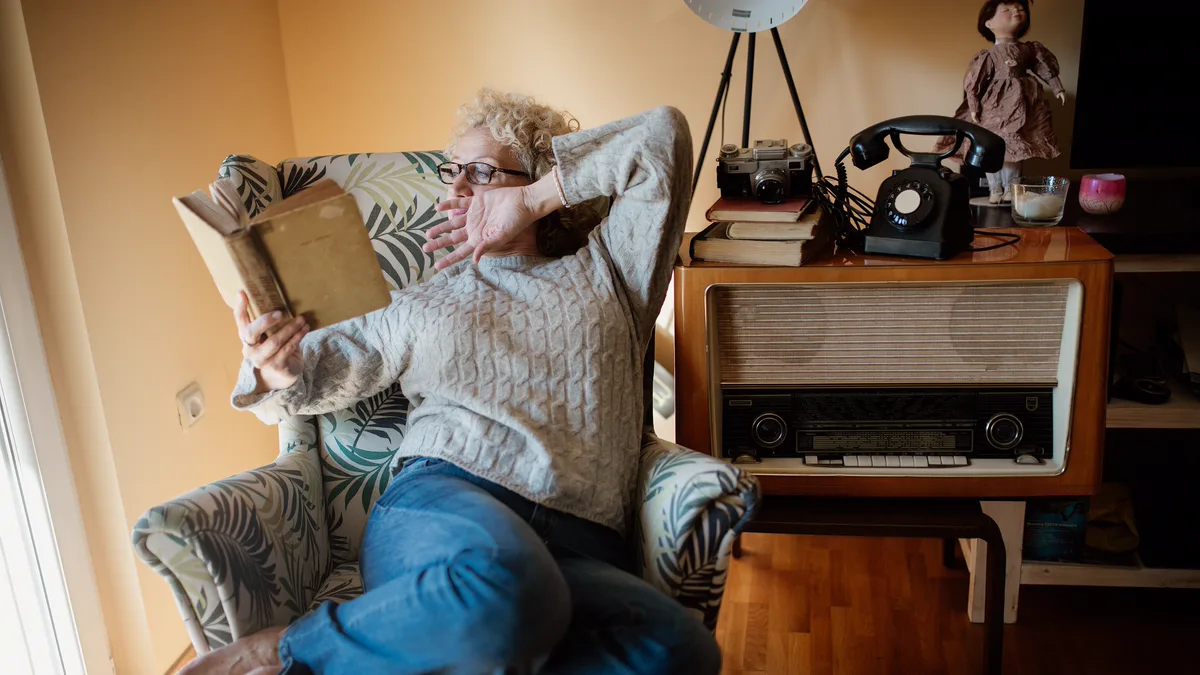
This one is for anyone who used to read all the time and now can’t remember the last book they finished. Maybe it was a new job, a baby, or a phone that’s always closer than the book. You didn’t stop being a reader. The habit just lost its spot in your day.
Below you’ll find a gentle 14-day restart plan, the real reasons a reading slump happens, what to read first, and five common myths that keep people stuck, each checked against a named source. If you want to know who writes these guides and how, the page on how Wonwood Original works explains it.
Your first 14 days back
- Day 1: Pick one book you can realistically finish: short, familiar or fast. Put it where you already sit in the evening, not on a shelf across the room.
- Days 2 to 4: Read ten pages a day at the same time and in the same place. Keep going if you want to, but ten pages means the day is done.
- Day 5: Check in honestly. If you’re dreading the book, swap it today. That isn’t failure; it’s choosing better.
- Days 6 to 9: Add a second slot, like lunch or the commute, or an audiobook for chores and walks.
- Day 10: Place two holds at your library so the next book shows up without you having to decide.
- Days 11 to 13: If you miss a day, start again at ten pages the next day. Don’t double up to make up for it.
- Day 14: Notice what worked (time, place, type of book) and pick your next title before you finish this one.
Why do reading slumps happen?
Reading slumps usually happen because something around the reading changed, not because you stopped liking books. A new job, a phone that’s always in reach, a long book that stalled, or a genre you’ve quietly outgrown can each turn a nightly habit into something you keep meaning to do. The fix starts with naming which one it is.
You’re also in large company. A study published in iScience by researchers at the University of Florida and University College London looked at more than 236,000 Americans in the American Time Use Survey and found that daily reading for pleasure fell by more than 40% between 2003 and 2023, according to the University of Florida’s summary of the study. Medical Xpress, reporting on the same study, put the share of people reading for pleasure on a given day at 28% in 2004 and 16% in 2023.
One hopeful note from the same summary: among people who still read, time spent reading went up slightly.
Most slumps trace back to one of these:
- Life got louder. A move, a new role at work, exams or a newborn took the quiet half hour you used to read in.
- The stalled book. One book you didn’t enjoy but wouldn’t quit has been blocking the whole shelf for months.
- The phone. Short, endless reading on a screen fills the gaps a book used to fill.
- Your taste moved. The genre you loved at 15 might not be the one you love now.
- Reading became homework. School or work made every book feel like an assignment.
Small rule: before you change anything, write down which one sounds like you. The fix depends on the cause.
How to get back into reading when you’ve lost the habit
The short version of how to get back into reading is to make the daily job so small that a tired evening can’t talk you out of it. Big plans tend to collapse the first busy week. Ten pages won’t.
Why ten and not one? In a r/LifeProTips thread from someone whose gaming had crowded out books, the most upvoted habit advice was to start with one page a day and add a page each week. A reply pushed back that one page only gets you halfway through a thought. Ten pages sits between the two: small enough for a bad day, long enough to actually follow a scene and want the next one.
Then anchor the habit to something you already do every day:
- One book. Not three on rotation. One, chosen to be finished.
- One time. Morning coffee, the bus, lunch, or the last fifteen minutes before sleep. Pick the one you already protect.
- One place. The chair, the bed, the kitchen table. Leave the book there, open or bookmarked, so starting costs nothing.
Small rule: if the book isn’t in your hand within a minute of sitting down, move the book, not your willpower.
What should you read first after a slump?
Read something short, familiar or fast first: a reread of an old favorite, a novella, a story collection, or a genre you’ve never tried. The first book back has one job, which is to get finished. Save the big, important book you think you should read for the third or fourth book, once the habit is steady.
One of the most useful posts on this topic is a r/books thread in which a reader explained why getting back into books felt so hard. The poster had read a novel a day in middle school, drifted away in high school, and by their own count finished only 6 of the 24 books they started in 2021, cycling through YA romance, contemporary fiction and older classics. Then they tried self-help, moved on to memoirs and other nonfiction, and finished every one in under a week. A popular reply told nearly the same story, only with psychology and finance books.
That’s the part most advice skips. Your old favorite genre may not be your favorite anymore, and that’s fine.
Good first books back usually share three traits:
- Short: a novella, essays, or short stories you can finish in a week of ten-page days.
- Low risk: a reread you already love, so the only question is whether you show up.
- Pulling: a page-turner, or nonfiction about something you already talk about at dinner.
Small rule: if three books in a row stall, change the shelf you’re borrowing from before you blame yourself.
How do you read when your phone keeps pulling you away?
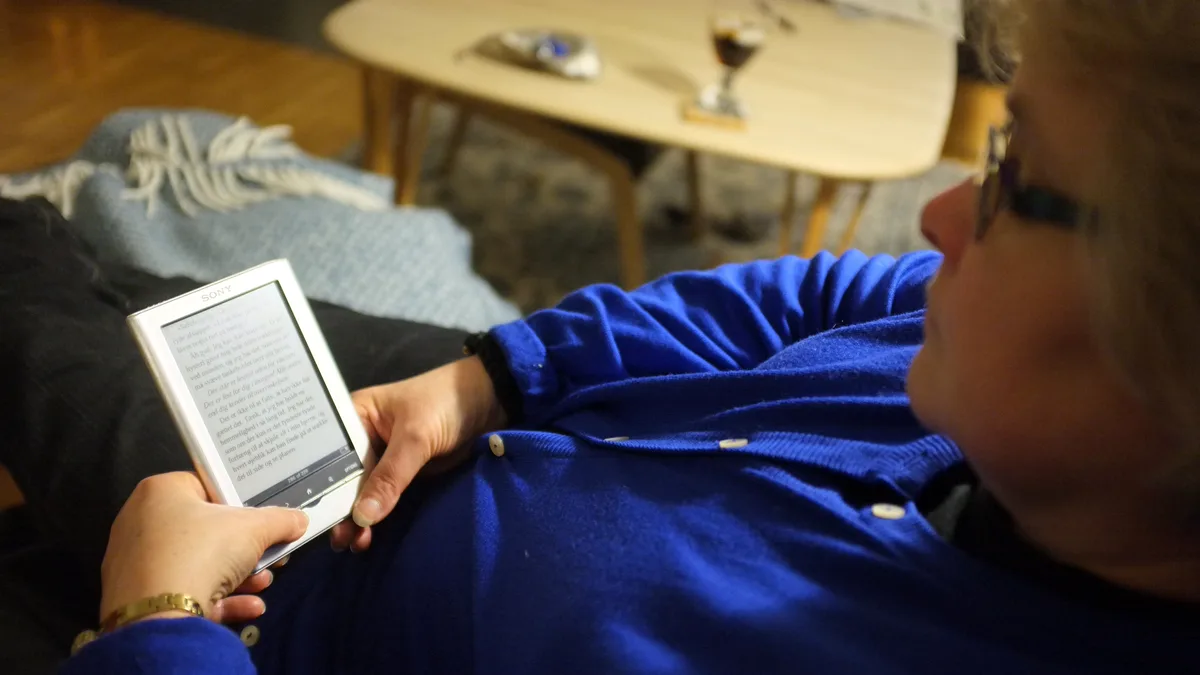
Put physical distance between you and the phone while you read: another room, a drawer, or a bag across the room. Willpower loses to a buzzing screen within arm’s reach. Pair that with a short session, so the book only has to beat the urge to check for ten pages, not for a whole evening.
The struggle is very common. In a r/NoStupidQuestions thread about getting the habit back, the original poster described reading 300-page books in a single day as a teenager, and then, close to a decade after college, struggling to keep going with a novel past ten minutes. The same person said they could read for hours when researching something. The attention hadn’t vanished. It was being spent somewhere else.
A few setups that help:
- Charge the phone outside the bedroom if you read at night.
- Read on paper or on an e-reader with no apps, so the device can’t interrupt you.
- Take the book somewhere you’ll leave the phone behind, like a bench or a library table, as one reply in the gaming thread suggested.
Small rule: the phone gets the minutes after your ten pages, never the ones before.
How long does it take to make reading a habit again?
Expect weeks, not days, and expect a lot of variation between people. In the habit study led by Phillippa Lally, summarized in 2010 by the British Psychological Society in a write-up on how habits form, a daily behavior took an average of 66 days to feel automatic, with individuals ranging from 18 days to a predicted 254.
Two things from that summary matter here. First, the behaviors in the study were everyday ones like eating, drinking or exercise, not reading, so treat the numbers as a rough guide rather than a promise. Second, and this is the anti-guilt part, the researchers found that a single missed day had little impact on later progress. Several missed days in a row did add up.
So the 14-day plan above is a launch, not the finish line. Two weeks gets the book back into your hands; about two months is when you stop noticing you’re doing it. If week five feels harder than week two, you’re not going backwards; you’re in the middle.
Small rule: set a calendar note two months out that says “Still reading?” and answer it kindly.

How do you get out of a reading slump that keeps coming back?
To get out of a reading slump that keeps coming back, treat it as a signal rather than a failure: look at what changed right before it started, then fix that one thing. Repeat slumps tend to come from the same few causes, and each one has a small, specific fix you can try for a week.
| What it feels like | Likely cause | Try this for one week |
|---|---|---|
| You reread the same page three times | You’re reading when you’re too tired | Move the ten pages to the morning or lunch, or switch to audio |
| Every book in your usual genre feels flat | Your taste has shifted | Borrow two books from a shelf you never browse |
| You stall halfway through long books | The book is too big for this season | Alternate it with a short book, then return |
| You read articles all day but never books | Attention spent on short bursts | Phone in another room, ten pages before any scrolling |
| Reading feels like homework | You’re picking books you think you should read | Choose one book purely for fun, no notes, no goals |
| You finish a book and then nothing for weeks | No next book lined up | Keep two library holds active at all times |
That last row deserves a closer look. Library holds work like a soft deadline: a book arrives with your name on it and a due date, so you start it before the window closes, and it costs nothing if you return it unread. The University of Florida and University College London researchers behind the 2025 study also argued for more community-centered reading, through accessible libraries and book groups, to make reading a more social and supported activity. A buddy read with one friend counts.
Full burnout, where even good books feel heavy? A short break is fine. Give it an end date, then come back with something light.
Small rule: every slump gets one question, “what changed?”, and one change, not five.
Five reading myths, and what actually helps
Plenty of advice on how to get back into reading quietly assumes rules that make it harder. Each myth below sounds reasonable until you check the source.
| Myth | What actually helps |
|---|---|
| You have to finish every book you start. | Librarian Nancy Pearl’s Rule of 50, as reported by Shelf Awareness in 2011: give a book 50 pages, and if you’re over 50, subtract your age from 100 and read that many. Then you can put it down without guilt. |
| Audiobooks don’t count. | The Fairfax County Public Library answers whether audiobook listening counts as reading with a yes, citing a 2016 study by Beth Rogowsky and colleagues in which 91 participants who listened, read, or did both showed no significant difference in comprehension. |
| Real readers read for an hour a day. | The typical American adult read five books in the previous 12 months, according to the Pew Research Center’s 2021 survey of 1,502 adults. Ten pages a day is about 3,650 pages a year. |
| Miss a day and the habit is gone. | In the Lally habit study, a single missed day had little impact on progress, per the BPS Research Digest. Just start again tomorrow at ten pages. |
| Your attention span is broken for good. | The poster in the r/NoStupidQuestions thread could still research for hours. Attention follows interest and setting, so start with a book that pulls you and a room without the phone. |
None of this asks you to become a different kind of person. If you’d like more like this, the Reading Habits shelf collects every guide on building the habit back up.
So which short book are you putting next to your chair tonight?
Between chapters
Is it okay to reread old favorites to get back into reading?
Yes. Rereading is still reading, and a book you already love removes the risk of a bad pick. The top reply in the r/NoStupidQuestions thread recommended exactly that, because the pressure is gone when you already know the ending.
How many pages a day should you read when you’re starting again?
Ten pages is a good floor: small enough for a tired evening, long enough to follow a scene. Read more whenever you want, but count the day as done at ten.
Should you set a yearly book goal right away?
Not in the first month. A number can turn into a debt the moment one long book slows you down. Set a habit goal first, like ten pages on weekdays, and pick a yearly number later if you still want one.
Is it normal to lose interest in reading as an adult?
Yes, very. A 2021 Pew Research Center survey found that 23% of U.S. adults hadn’t read a book in the previous year, the same share as in 2014. Interest usually comes back once the right book and a little time line up.
Does reading on your phone count?
Yes, if it’s a book. A novel in an app counts the same as one on paper. The catch is notifications, so switch on airplane mode while you read and the book won’t have to compete with alerts.
No publisher paid for placement. The draft was machine-assisted; titles, dates and formats were re-checked by the writer against library catalogs.
Sources: University of Florida News, reading for pleasure study (2025); Medical Xpress (2025); Pew Research Center, book reading survey (2022); Pew Research Center, who doesn’t read books (2021); British Psychological Society, how to form a habit (2010); Fairfax County Public Library, audiobook listening and reading; Shelf Awareness (2011); reader discussions on r/books, r/NoStupidQuestions and r/LifeProTips.
Leave a Reply
You must be logged in to post a comment.