Bookmark this: How to start a book club in six weeks: decide what kind of group you want, invite a few more people than you need, pick a short first book everyone can borrow, and set one regular day. Share the hosting jobs from the first meeting, so the club never rests on one tired person.
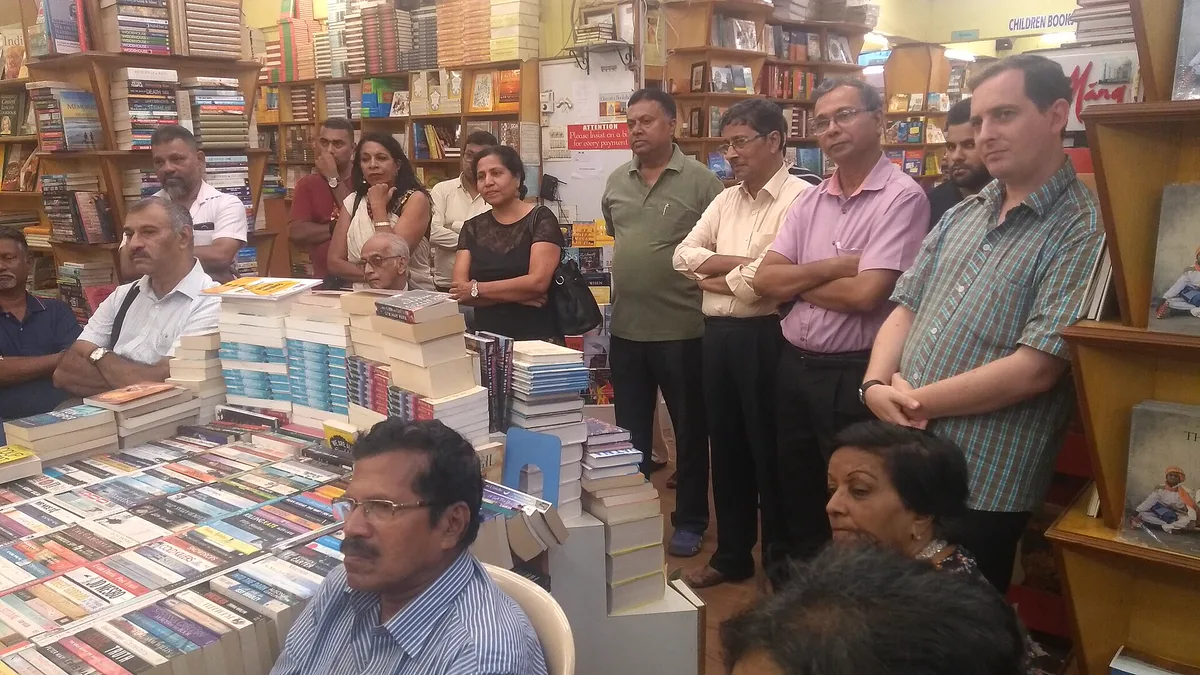
This guide is for the person who keeps saying “someone should start a book club” and has realized that someone is you. You don’t need a big friend group or a perfect reading list. You need a plan with dates on it.
Once the club is running, the questions and the meeting flow are covered in our guide to book club questions and a meeting run order, so this page sticks to setup.
Six weeks to your first meeting
- Week 6: Decide the purpose and format. Write one sentence you could text a friend: what you’ll read, how often, and where.
- Week 5: Invite three or four people you’d enjoy talking to, and ask each of them to bring one person you don’t know yet.
- Week 4: Fix a regular day and place. Book any library room now; they fill early.
- Week 3: Choose a short first book and check that the library has copies or a book club kit.
- Week 2: Send the real invitation with date, time, place and book. Oprah.com’s planning guide suggests inviting people at least two weeks before the first meeting.
- Week 1: Send a reminder, shortlist names, and draft a hosting sign-up sheet.
- Meeting night: Talk about the book, agree on four house rules, and pick the next title before anyone leaves.
How to start a book club: what to decide first
Before you invite anyone, settle three things: what the club is for, what it reads, and how much organizing you’re willing to do. Size, venue and schedule follow from those answers, and people say yes faster to a clear invitation.
The purpose question matters more than it looks. In a Reddit thread on r/Adulting, asking whether anyone had started a club, the original poster explained why she wanted her own: the groups she’d joined were really friends catching up, and nobody had read the book. She wanted to hang out, but she also wanted to talk about the book “at least a little.” That’s a fine purpose. Just say it out loud.
Good book club ideas usually sit somewhere on this line:
- Mostly social: one easy book a month, food, and conversation that wanders.
- Balanced: a set discussion time, then open chat. Most clubs land here.
- Mostly reading: longer books, a discussion leader, and members who finish.
- Themed: one genre, local authors, classics, or books you watch as films afterward.
Small rule: put the purpose in the invitation’s first line.
In person, online, library-hosted or silent: which format fits?
Pick the format that removes your biggest obstacle. If space is the problem, use the library. If schedules or distance are the problem, meet online. If reading the same book feels like homework, try a silent format where everyone brings their own. Homes still win overall, but plenty of thriving clubs never meet in one.
BookBrowse, which surveys thousands of book club members, found in research it reported in 2019 that 55 percent of in-person clubs meet in a home, 17 percent in public libraries and 14 percent in restaurants or cafes, according to its post on where book clubs meet.
| Format | Best for | Comfortable size | Watch out for |
|---|---|---|---|
| Someone’s home | Friends, relaxed evenings, food | Up to about 8 (Oprah.com’s suggestion for homes) | One person ends up hosting every month |
| Cafe, pub or restaurant | Neutral ground for people who don’t know each other yet | 4 to 8 around one table | Noise, and members spending money every time |
| Library-hosted | Bigger groups, free rooms, borrowed copies | 12 or more (Oprah.com) | Room booking rules and closing times |
| Online video call | Busy parents, shy readers, friends in other cities | 6 to 10 faces on screen | Talk feels less free-flowing; tech trouble |
| Silent (bring your own book) | People who want company without assigned reading | Any size | Less discussion of one shared book |
Online clubs have a track record now. When BookBrowse surveyed more than 3,400 club members for its Book Clubs in Lockdown report on pandemic-era clubs in October 2020, 65 percent of clubs still meeting were meeting virtually, and about a third of those expected to keep a virtual element afterward. The report notes virtual talk is less free-flowing, so a light-touch leader helps.
The silent format is simple: everyone arrives with a book of their choice, reads quietly for an hour, then chats. The organization Silent Book Club publishes its own chapter guide with a sample evening (30 minutes to arrive and share what you’re reading, a quiet reading hour, then optional socializing). It also says it owns that name as a trademark, so if you’d rather not register with them, call your gathering something else, like a quiet reading night.
Small rule: torn between two formats? Try one for three months, then ask the group.

How many people do you need for a book club?
Aim for six to ten people in the room, which usually means inviting eight to fourteen, because not everyone comes every month. Guides tend to say 8 to 16 members. Small clubs of four can work beautifully too, as long as everyone reads and shows up.
The bigger numbers come from library guidance. The American Library Association’s guide to starting a book discussion group says 8 to 16 members gives you enough people for a discussion if several are absent, but not so many that it becomes unwieldy. BookBrowse found that people hoping to join a club most often describe their ideal size as 8 to 12, and Winter Park Library’s guide advises splitting a group in two once it passes 12.
Small-club readers disagree. In a widely upvoted r/books post on keeping a club going, the author described a club of four that had been running for more than two years, and said they couldn’t see more than five or six people discussing a book well in an hour or two. That post was written in response to someone whose ten-person club had half its members attend, and only half of those finish the book.
Both sides are right, and attendance explains why. A reply in the same thread argued for clubs around ten, because a group of five can shrink to three on a bad night. So:
- Close friends who read: four to six is plenty.
- A mix of friends and new faces: invite ten to twelve, expect six to eight.
- Open library group: let it grow, then split it at around a dozen regulars.
Small rule: count the chairs you want filled, then invite half again as many people.
How do you pick the first book?
Choose the first book yourself, and keep it short, easy to borrow and broad enough that nobody feels left out. After that, let the group decide. A first pick that’s long, brand new or niche is the quickest way to lose people before the second meeting.
New releases cause more trouble than people expect. Another reply in the r/Adulting thread listed the pain points that made one organizer quit, and the first was this: pick the newest book and everyone has to buy it, because every library has a waitlist. Libraries can help if you plan ahead. Edmonton Public Library, for example, says on its book club planning page that it lends book club kits with 10 copies of the same title for six weeks at a time, and BookBrowse found that half of those in public library book groups usually pick titles available as kits.
A first-book checklist:
- Your library has copies, a kit, or an ebook with no long hold list.
- It’s under about 350 pages, so a busy month still works.
- Nobody in the group has read it, or almost nobody.
- It gives people something to disagree about, like a hard choice, an unreliable narrator or an open ending.
From the second book on, try the system an r/books commenter recommended: keep a shared list everyone adds to, and each meeting a different member pulls three titles from it for a vote. Books that lose stay on the list for next time.
For members coming out of a long break, pass along our plan for getting back into reading.
Small rule: check the library catalog before you put any title to a vote.

Book club name ideas that people will actually say
A good name is easy to say out loud, fits in a group chat title, and will still be true a year from now. The ALA guide points out that a name gives a club an identity, which helps members feel accountable. These book club name ideas are grouped by pattern, so you can swap in your own street, day or genre.
Named after a place
- The Porch Light Readers
- Second Floor Book Circle
- The Corner Table Club
- The Back Booth Readers
- Platform Four Book Club (for a group that commutes together)
Named after the day
- Second Tuesday Society
- The Sunday Chapter
- Lunch Break Literary
- First Friday Fiction
- The Late Shift Readers
Named after the genre
- Cold Case Readers (mysteries)
- The Far Shelf (science fiction and fantasy)
- The Footnote Club (nonfiction)
- The Thin Book Club (short books only)
- Dead Authors Society (classics)
Wordplay
- The Plot Thickens
- Novel Ideas
- Spine Tinglers
- Well Read and Well Fed
Named after the purpose
- The Try Anything Club
- The Slow Readers Society
- The Finish Line (for a group that wants to finish)
- Strangers With Books
- The Shelf Help Group
Test each finalist: say it in a sentence (“Coming to Second Tuesday?”), make sure it isn’t tied to a theme you might drop, and search it so you don’t copy a local group’s name.
Small rule: shortlist three names, then let the first meeting vote.
How do you rotate hosts without burning anyone out?
Split hosting into small jobs and rotate each one, instead of handing one person the whole evening every month. A host who only provides the room, a picker who brings three titles and a leader who brings questions can be three different people, and nobody dreads their turn.
Burnout is the common failure. Winter Park Library’s book club guide advises alternating the leader role to avoid it, and BookBrowse, writing about library groups, says it heard from leaders who felt burdened and from members who wished they could be more involved. That’s a match waiting to happen. Someone still needs to keep the discussion on track, as a reply in the r/books thread put it, but that someone can change every month.
Five jobs to put on a sign-up sheet:
- Host: room, chairs, simple drinks.
- Picker: brings three titles from the shared list for a vote.
- Leader: prepares a few questions and watches the time.
- Messenger: sends reminders a week ahead and the day before.
- Keeper: logs each book, the date and who picked it, the simple club journal the ALA guide suggests.
Small rule: nobody holds the same job two months in a row.
What should happen at the first meeting?
Use the first meeting to talk about the book and to agree on a few house rules: when you meet, how books get picked, who does which job, and what happens if someone didn’t finish. Then choose the next book and a name before people reach for their coats.
Protect the discussion time. BookBrowse found that 84 percent of the members it surveyed were in groups that spend at least 40 minutes of each meeting on the book, and that happiness rises with discussion length: 55 percent of members in groups that discuss for 20 minutes or less said they were very happy, compared with 73 percent at 50 to 60 minutes and 81 percent at 75 minutes or more. Winter Park Library suggests leaving chat time at the end, which keeps the book talk focused.
A simple first-night shape:
- Names, and what everyone’s reading lately.
- The book discussion, with prepared questions (our book clubs section has the full question bank and run order).
- The four house rules, agreed out loud.
- The vote on the next book and the name.
- The sign-up sheet for next month’s jobs.
Small rule: post the house rules in the group chat that night, while everyone agrees.
Starting a book club: myths and what actually helps
A few beliefs about starting a book club stop people before week one.
| Myth | What actually helps |
|---|---|
| You need a big group for it to be worth it. | Four committed readers can carry a club for years, as the r/books post showed. Invite for the room you want, not the biggest room possible. |
| Everyone has to buy the latest release. | Pick books the library can supply. Kits like Edmonton Public Library’s lend 10 copies of one title for six weeks. |
| Book clubs are just wine and gossip. | In BookBrowse’s research, 84 percent of members were in groups that discuss the book for at least 40 minutes. |
| The founder has to host forever. | Rotate small jobs from the first meeting, as Winter Park Library advises for the leader role. |
Starting a club is mostly a calendar problem, and now you’ve got the calendar. Who will be sitting across from you in six weeks?
Between chapters
How often should a book club meet?
Once a month suits most clubs, according to the ALA guide and Penguin Random House’s getting-started page. If you read long books, every six weeks gives people time to finish. Pick one pattern, like the second Tuesday, and keep it.
Can two people be a book club?
Yes. The author of the r/books post put it simply: it’s better to discuss a book with one person who read it than with ten who didn’t. Start as a buddy read and grow when you meet more readers.
Do members have to buy every book?
No. Choose titles with library copies, kits or ebooks, and give people enough lead time to place a hold. Buying should be a choice, never a requirement.
Should a book club have written rules?
A few, kept short: the meeting day, how books are picked, the spoiler policy, and the job rota. Post them in the group chat so new members can read them before their first night.
What if only a few people show up?
Hold the meeting anyway; small nights often bring better talk. If attendance stays low for two or three months, check the day, time or place before blaming the books.
How we researched this: Book details (publication dates, series order, formats) are checked against the publisher and library catalogs. AI helped with an early draft; the writer rewrote it and checked every title.
Sources: American Library Association, starting a book discussion group; BookBrowse (2019 research posts; Book Clubs in Lockdown, 2020); Penguin Random House; Edmonton Public Library; Oprah.com; Winter Park Library; Silent Book Club chapter guide; r/books, r/Adulting.
Leave a Reply
You must be logged in to post a comment.